





Commercial and Industrial (C&I) Solar Projects
Comprehensive Overview of Commercial and Industrial Solar Projects: Enabling Sustainable Growth and Energy Independence
1. Project Overview
Commercial and industrial (C&I) solar projects are tailored renewable energy solutions designed for businesses and industrial facilities. By installing photovoltaic (PV) systems on rooftops, parking areas, open land, or building facades, these projects convert solar energy into clean electricity. They not only significantly reduce energy costs but also transform enterprises into pioneers of sustainable development, delivering substantial long-term economic returns and helping achieve carbon reduction targets. The core value lies in optimizing energy structures and elevating corporate social responsibility through professional design, financing, installation, and operation.
2. Core Solutions and Installation Models
Primary Installation Types
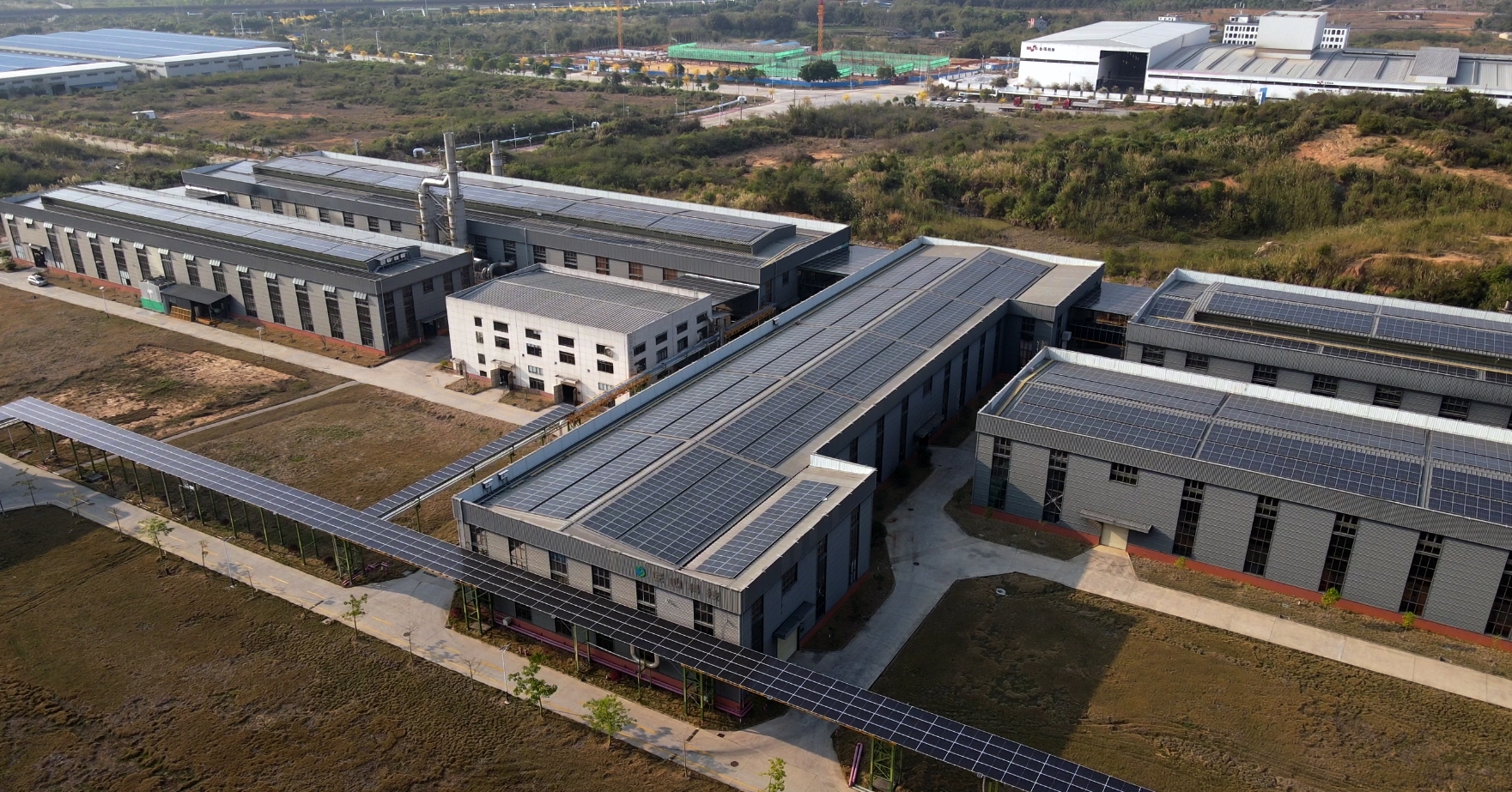
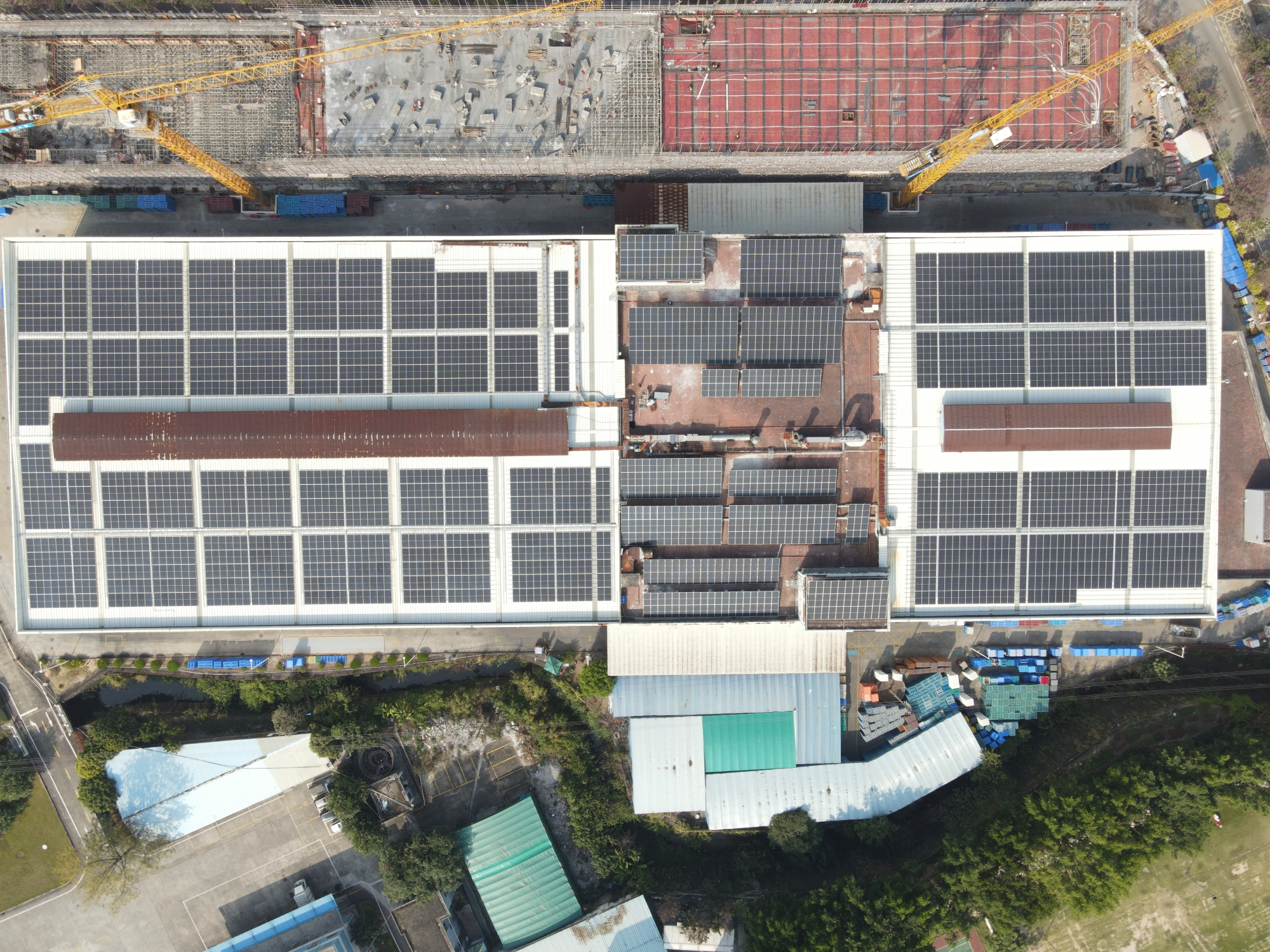
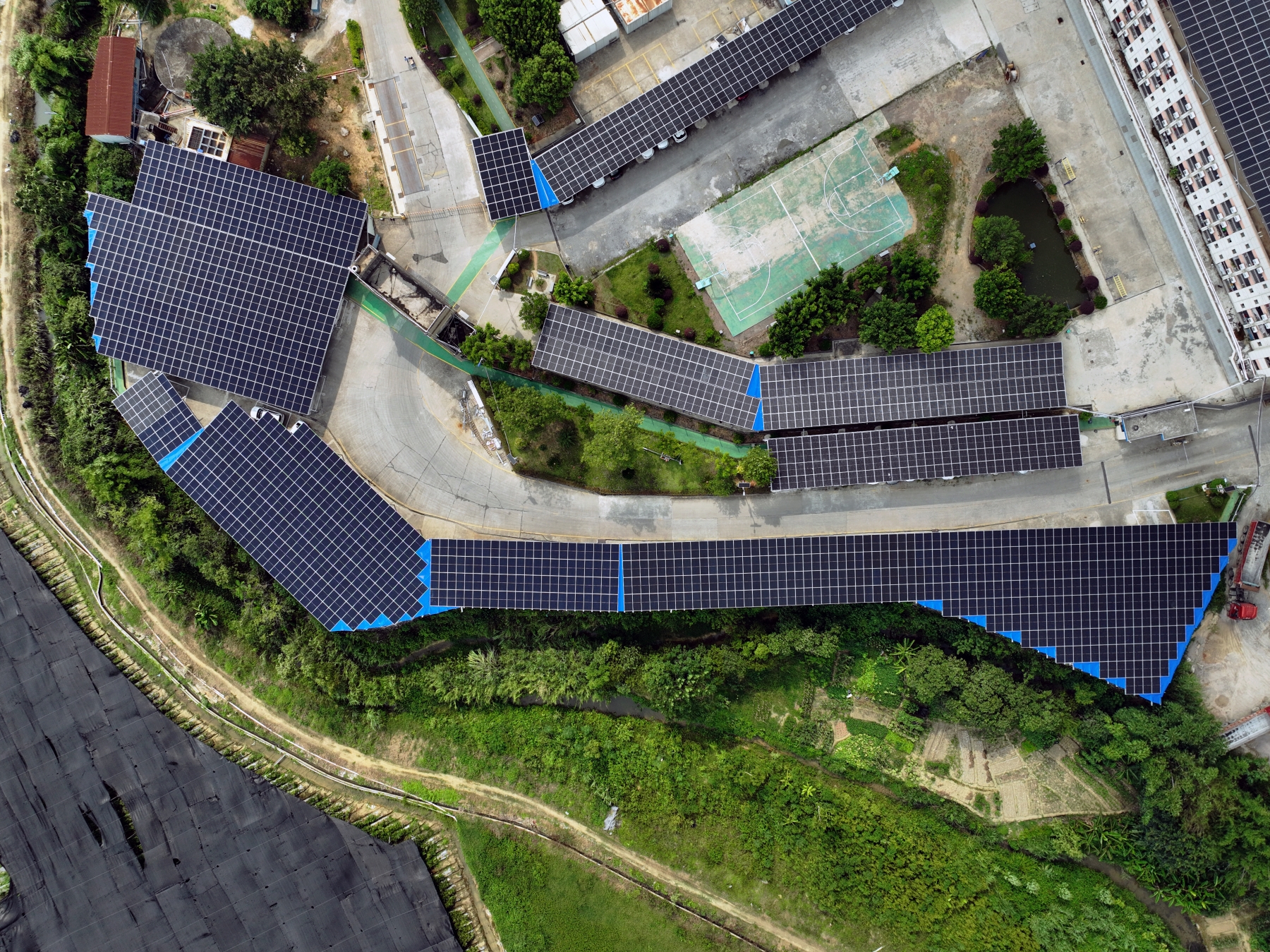
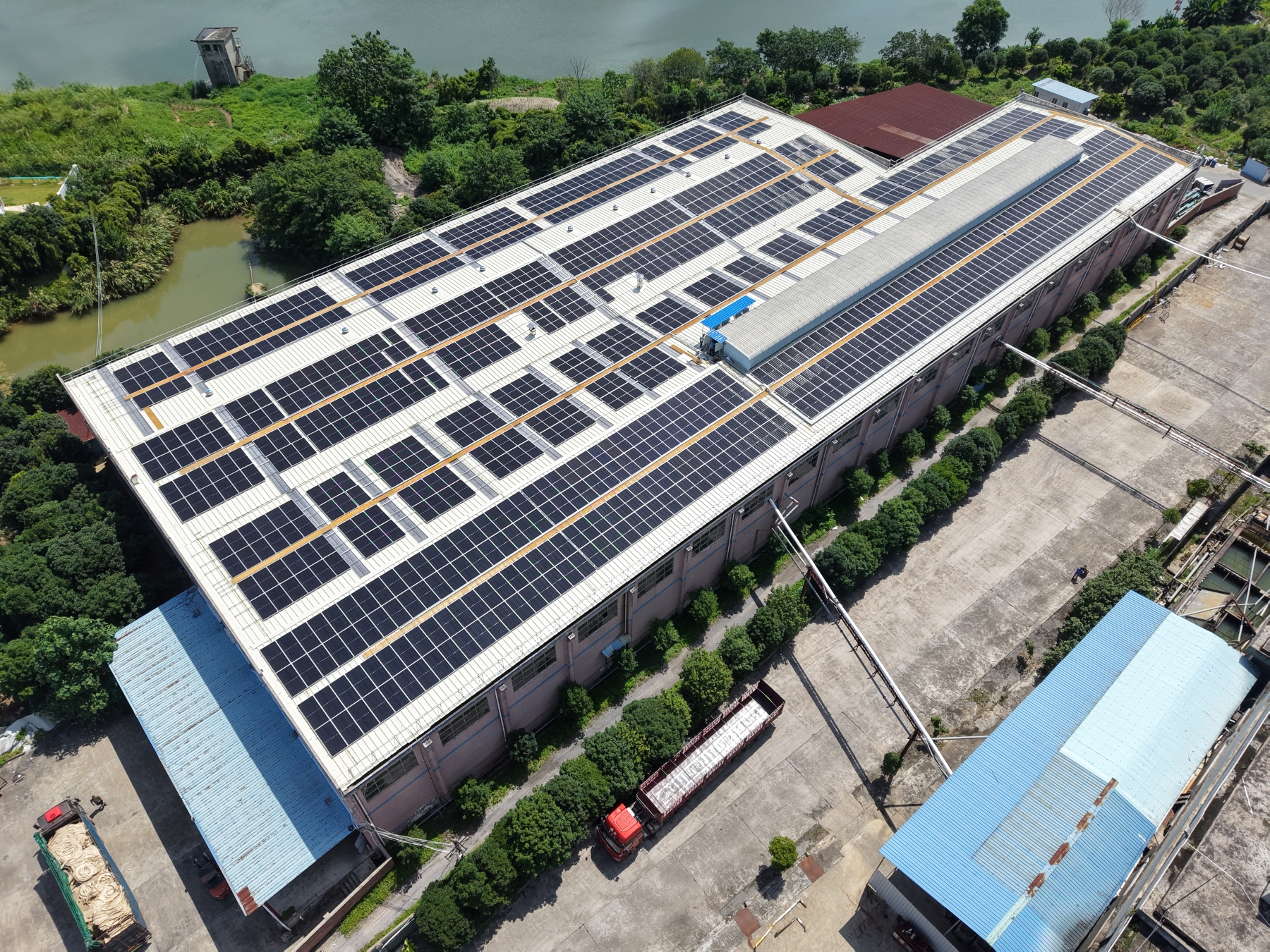
Rooftop PV Systems: Utilize the extensive, often underused rooftop spaces of commercial and industrial buildings, representing the most common and efficient deployment method.
Solar Carports/Parking Shelters: Transform parking areas into multi-purpose assets that provide shade, vehicle protection, and power generation (as detailed in the preceding Smart Parking Shed concept).
Ground-Mount Systems: Suitable for enterprises with available land, enabling larger-scale generation capacity.
Building-Integrated Photovoltaics (BIPV): Integrate PV materials directly into building envelopes, windows, or skylights, combining aesthetics with functionality.
Key System Components
High-Efficiency PV Modules: Employ advanced technologies such as monocrystalline PERC, N-type TopCon, or thin-film cells.
Smart Inverters: Include string inverters or microinverters that optimize output at the individual panel level.
Monitoring & Energy Management Systems: Provide real-time generation data, equipment performance analytics, and energy consumption insights.
Storage Integration: Optional battery energy storage systems for load shifting, backup power, and maximizing self-consumption.
3. Business Models and Financial Advantages
Primary Financing & Ownership Models
1. Direct Ownership Model
Description: The business invests directly using capital or green loans to own the system outright.
Advantages: Retains all electricity generation benefits, full asset ownership, and maximizes long-term return on investment.
Ideal For: Companies with strong cash flow seeking to maximize long-term value and utilize available tax incentives.
2. Third-Party Financing Models
Power Purchase Agreement (PPA): A developer funds, owns, and operates the system. The business purchases the generated electricity at a predetermined, discounted rate under a long-term contract with no upfront cost.
Solar Lease: The business leases the system for a fixed monthly payment, enjoys the power it produces, and may have the option to purchase the system at a reduced cost at the lease term's end.
Advantages: Zero upfront capital, immediate reduction in electricity bills, and transfers technology and operational risks to the provider.
Core Economic & Financial Benefits
- Significant Operational Cost Reduction: Offsets and reduces grid electricity purchases through self-consumption, providing a hedge against future utility rate increases.
- Attractive Payback & Positive Cash Flow: Typical payback periods range from 3 to 8 years, with system lifespans exceeding 25 years, leading to decades of near-zero-cost electricity thereafter.
- Improved Cash Flow & Balance Sheet: Stabilized low energy costs enhance profitability; under certain models, solar assets can be capitalized, improving financial ratios.
- Leverage Incentives: Capitalize on government incentives such as Investment Tax Credits (ITC), accelerated depreciation, Renewable Energy Certificates (RECs), subsidies, or net metering policies.
4. Strategic Value and Competitive Advantage
Environmental, Social, and Governance (ESG) Performance
Achieve Sustainability Goals: Dramatically reduces Scope 2 carbon emissions, strongly supporting corporate carbon neutrality and net-zero commitments.
Enhance Brand Image & Market Appeal: Demonstrates tangible commitment to environmental stewardship to customers, investors, and the public, attracting eco-conscious consumers and talent.
- Meet Supply Chain Requirements: An increasing number of multinational corporations mandate renewable energy use in their supply chains. Installing solar helps secure and maintain key business contracts.
Operational & Risk Management
-Energy Security & Resilience: Reduces reliance on the public grid. When paired with storage, it can provide backup power for critical loads, ensuring business continuity.
- Price Certainty & Predictability: Locks in a portion of energy costs at a fixed rate, mitigating financial uncertainty from fossil fuel price volatility and grid tariff increases.
5. Project Implementation Process
1. Initial Assessment & Consultation: Analyze site feasibility (roof integrity, solar irradiance, shading), historical energy consumption, and financial objectives.
2. Custom System Design & Engineering: Optimize system size, component layout, electrical design, and financial modeling based on the assessment.
3. Financing Arrangement & Contracting: Determine the optimal business model, secure financing, and execute relevant agreements.
4. Permitting, Approvals & Interconnection: Handle all necessary building permits, grid interconnection applications, and regulatory approvals.
5. Professional Installation & Commissioning: Execute high-quality, safe installation by certified crews, followed by system testing and grid interconnection.
6. Ongoing Monitoring & Maintenance: Provide 24/7 performance monitoring, preventative maintenance, and warranty services to ensure long-term, optimal system performance.
6. Success Stories and Industry Applications
- Manufacturing & Logistics Centers: Leverage large rooftops and high energy consumption to achieve maximum cost savings.
- Retail Supermarkets & Shopping Malls: Reduce operational costs and cultivate a green brand through rooftop and parking canopy PV installations.
- Data Centers & Tech Parks: Pursue power reliability and sustainability, making solar-plus-storage an ideal solution.
- Agriculture & Water Facilities: Achieve energy self-sufficiency and reduce costs for operations like pumping in remote areas or sites with ample land.
Conclusion
Commercial and industrial solar projects have evolved from an alternative option to a core business strategy. They transcend being merely a "green initiative," representing a smart investment that delivers predictable energy costs, enhances profitability and resilience, elevates brand value, and future-proofs operations. In the global context of accelerating energy transition and tightening carbon regulations, investing in solar power is not only an act of corporate responsibility but a critical decision for ensuring long-term competitiveness and financial health. By converting sunlight into clean electricity and enduring value, businesses can create a brighter future for both the planet and their own balance sheets.
